

Layering creates movement, softens lines and lets you guide the eye. That means you can highlight what you love, downplay what you feel unsure about and experiment without committing to one rigid silhouette.
Layering also gives you flexibility. Weather, mood, dysphoria levels, all can change during the day. Layers let you adapt without having to fully change your outfit.
Strong opinion incoming: layering is one of the most gender-affirming styling tools out there, and it deserves way more hype.
Start with a smooth base layer
Everything starts underneath. A smooth, comfortable base makes the rest fall into place.
Think of:
-
A soft bralette that feels supportive, not restrictive
-
A tucking brief or high-waisted tucking underwear if that feels affirming for you
-
A fitted cami or bodysuit as your first clothing layer
-
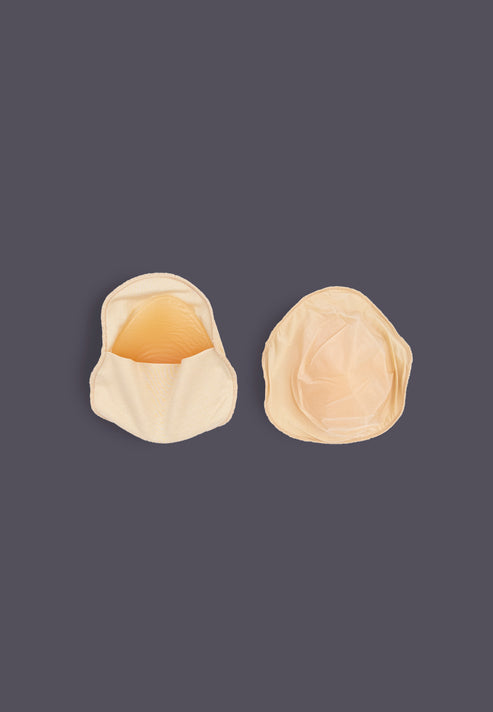
Combine with breast prostheses or breast padding for a feminine silhouette
A good base layer helps outer layers drape better. It also adds a subtle sense of security, which honestly shows in how you move and carry yourself.
Pro tip: choose a red color for base layers so they disappear under lighter fabrics. Or, keep it classy and timeless with black.
Play with lengths, not just shapes
One of the easiest layering wins is mixing different lengths.
Short + long is magic.
Examples:
-
Cropped cardigan over a longer top
-
Short jacket with a flowy blouse underneath
-
Long open shirt over a fitted top
This creates vertical lines, which visually elongate the body and soften broader areas like shoulders or torso. It also draws attention to the waist or hips, even without super tight clothing.
If you only remember one thing from this blog, let it be this: length contrast is your friend.
Use soft fabrics on top, structure underneath
A common mistake is putting all the structure on top. Flip that idea.
Try:
-
A structured base like a fitted top or corset-style piece
-
Softer layers on top like mesh, knits, chiffon or satin
This keeps your outfit looking light and fluid instead of stiff or bulky. It also avoids that “armoured” feeling some outfits can give.
Soft fabrics move when you move. That movement reads as feminine, relaxed and confident.
Layering to balance shoulders and hips
If you want to visually balance broader shoulders or a straighter hip line, layering can help a lot.
For shoulders:
-
Avoid bulky shoulder seams
-
Choose open layers like cardigans, wrap tops or open blouses
-
V-necks and open fronts break up width
For hips:
-
Add layers that end at or just below the hips
-
Peplum tops, belted layers or soft overshirts add volume
-
Textured fabrics on the lower half help create shape
You are not hiding your body. You are styling it on your own terms.
Sheer layers are underrated
Sheer layers are elite-level femme styling. Full stop.
Think:
-
Mesh tops over bralettes
-
Sheer blouses layered over camis
-
Lace tops under blazers or knits
They add softness without bulk and let you show skin in a controlled, intentional way. Especially if you are still exploring how much visibility feels good, sheer layers give you options.
They also photograph beautifully. Just saying!
Do not forget colour and contrast
Layering is not only about fabric. Colour does a lot of the heavy lifting.
Easy ‘rules’:
-
Dark base, lighter top layers bring focus upward
-
Monochrome layers create a long, elegant line
-
One contrast layer makes an outfit feel styled, not accidental
-
If you are unsure, start with one colour family and add texture instead of more colours.
Final reminder: rules are optional
Layering is not about fixing your body. It is about giving yourself room to explore what feels good today.
Some days you might want flowy, soft and hidden. Other days you might want fitted, sheer and bold. Both are valid. Both are femme. Both are yours.
You’ve got this
And honestly? You already look better than you think.


