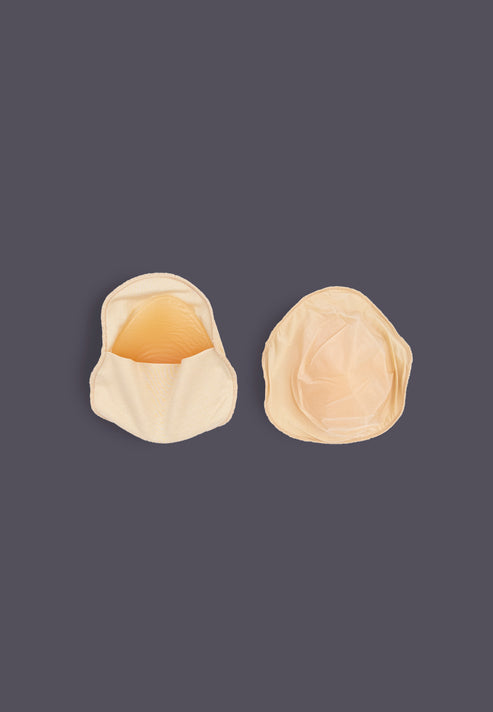

Everything you need to know about binders!
Flattening the chest by using a binder can help some people feel more comfortable in their own body. Lots of people who experience gender euphoria find that wearing a binder can support how they feel about their appearance. However, if you’re new to figuring out how binding works and how to do it safely, it’s likely you’ll have a ton of questions like ‘what is a chest binder?’, ‘how do I bind safely?’ and ‘how can I find the right binder size?’. Don't worry – we've got you covered. Keep reading to find answers to some of the most commonly asked questions about wearing binders!
Before we start, always remember that the safety of your body is of utmost importance. Listen to your body and read up on chest binding before you start to experiment.
What is a chest binder?
A binder, also known as a chest binder, FtM binder, bra binder or breast binder, is an underwear garment that is designed to create a flatter chest appearance. This can help create a more masculine and streamlined look. Most binders are tank tops, bands or tops of elastic material that fit tightly around the torso. Many people wear their binder under their daily clothes, but it is also completely okay to wear your binder as a regular top. A binder works by applying compression to the chest area, redistributing the tissue. This makes the chest appear flatter and less prominent, which some people find helpful for personal comfort or appearance-related reasons.
Who can wear a chest binder?
Most people wear a binder because it helps them feel more comfortable with the appearance of their chest. Since a binder helps to flatten the chest, a more masculine look can be created. But please remember that you do not need to conform to any gender norm to be able to wear a binder! Binders can be worn by a variety of people inside and outside the binary, such as trans men or boys, non-binary people, people who have just had breast surgery, people who experience discomfort related to their chest, and anyone else who feels the need to flatten their chest regardless of their gender expression. In short, a binder can be for everyone. You do not need to ‘earn’ the right to wear a binder.
How do I bind safely?
Wearing a binder can change the appearance of the chest, but may place strain on the body if used incorrectly. Rightfully so, many people worry if wearing a binder is dangerous for their body. Always consult a doctor or qualified healthcare professional if you are unsure whether binding is right for you. Below is some general advice for wearing a binder in a more careful and responsible way.
Build it up
When you start wearing binders, we recommend that you build up the time you wear them. Wear the binder for an hour first, then let your body rest again. The next day, wear it for two hours, then take it off again. Continue building this up over a couple of days; this way your body can get used to wearing a binder. Never wear a binder for more than 8 consecutive hours. If you experience any pain, discomfort, tightness, or shortness of breath while wearing the binder, we recommend that you take off the binder as soon as possible.
Resting the body
One of the most important binder-safety tips is to never wear your binder while sleeping. At night, the lungs need freedom to expand naturally, which is why binding during sleep is not recommended. If you find it uncomfortable to sleep without a binder, consider wearing a loose T-shirt or a light support top instead. Always remember: the safety of your body is of utmost importance. Be kind to your body. Plan at least one day per week without wearing a binder or using any form of chest compression, to allow the body time to recover.
Binding for 8+ hours
If you have a long day ahead of you and you’re tempted to wear your binder for more than 8 hours (which is not recommended), it may help to take short breaks during the day. For example, when you’re in the bathroom, gently lift the binder so it no longer compresses the chest. Take a few deep breaths and stretch your torso lightly. This can give your body a short moment of relief. If you expect to be away from home for a long time, consider bringing a sports top or another lighter support garment to change into after 8 hours. Only exceed recommended wear time if advised by a qualified medical professional (for example, during post-surgical recovery).
Breast positioning for comfortable wear
A binder works by compressing chest tissue. If the tissue is positioned incorrectly, pressure may increase in certain areas, which can affect comfort and skin condition. The most important factor is to make sure the nipples do not point downward while binding, as this may place unnecessary strain on the tissue. Always aim to position the chest so the nipples point forward, similar to their natural position without a binder.
What are the health risks of wearing a binder?
Below is a list of possible issues that have been reported with improper or prolonged binding:
- Restricted breathing or reduced range of movement
- Skin irritation, including rashes or fungal infections
- Other skin-related discomfort, such as itching, redness, or sensitivity
- Pain or discomfort in areas such as the ribs, back, shoulders, or abdomen
- Musculoskeletal strain
- Changes in skin elasticity
Remove your binder and consult a medical professional if you experience any of these symptoms.
Tips for secure binding
- Give your body time to recover after wearing your binder. Avoid wearing a binder for more than 8 hours per day, and plan at least one binder-free day per week.
- Do not wear two binders at the same time.
- Choose the right size for your body.
- Do not use products that are not specifically intended for chest binding.
- Position the nipples forward, not downward.
How do I find the right binder size?
Choosing the size of your binder is essential. A binder that is too large may provide less chest shaping than expected. A binder that is too small can feel restrictive and cause discomfort. The best way to find the right size is to take your measurements and compare these with the size chart. You will need a tape measure, and possibly someone who can help you. To choose the right size you will need the following measurements:
- Bust size: measure around the chest, at the level of the nipples.
- Underbust: Measure around the chest, just below the bust.
- Waist: Measure around the waist, at the narrowest part of your torso.
- Hip: Measure around the hips, at the widest part.
- Shoulder Width: Measure from back of shoulder to head of shoulder. For accuracy, assistance may be helpful.
- Height: your total height
Below you can watch a video tutorial explaining sizing and how to take your measurements:
Once you have taken all your measurements, you can check the size chart to see which size would be best for you. Here are some points of interest:
- Check out the type of breast tissue you have. While every body is different, chest tissue is often described as softer or firmer. Softer tissue is generally easier to redistribute and may feel more comfortable in lighter compression, while firmer tissue may require a firmer fabric to achieve a flatter appearance. This is not related to size.
- It is best to go by the size of the underbust if you're in between two sizes. For example, if your waist is a size L, but your underbust is a size M, we recommend that you stick to the size of your underbust. The waist is more flexible, unlike the ribcage, which does not compress, which is why the underbust measurement is more important.
- If you are very tall or very short, our binders may fit differently. Please contact us if you are unsure about the right size.
Often people want to buy their first binder as tight as possible, because they want to reduce their bust as much as they can. Wearing a binder that is too tight can increase the risk of discomfort or strain, so please try to ignore this thought. Always take your measurements and compare them with the size chart, which can be found on this page. If you are not sure about your size, you can always contact us.
Below are two important points that could mean that your binder is too small:
- You feel the binder chafing, pinching or cutting.
- You have trouble breathing.
- You're experiencing pain.
If you notice any of these symptoms, immediately take off your binder and choose a larger size or stop wearing the binder and consult a professional if symptoms persist.
You can check if your binder fits well by putting two fingers in between the garment and the ribs. If the fingers fit with ease and are not restricted, this generally indicates that there is room for comfortable breathing. If you can’t fit two fingers in there, you should probably size up. This same trick can be used underneath the armpit; if two fingers fit comfortably, the binder is likely not overly tight.
Lastly, keep in mind that a binder can loosen over time. Regular wear and washing can affect the elasticity of the fabric, which can explain why your binder provides less compression after extended use.
Will a binder work for my bigger chest?
Some people think that having a larger cup size means it’s impossible to get a flat bind, but this isn’t the case! Larger breasts can sometimes feel easier to redistribute, depending on tissue type. Whichever way the breasts are positioned, always make sure the nipples point forwards to support comfortable wear. For a bigger chest, some people prefer a long binder that goes down to the hips. This way there is more fabric that can help keep the chest tissue in place and create a smoother, more even silhouette. If your binder rolls up the hips you can try to pin the binder to your underwear or bottoms.
For many people it can be tempting to choose a binder in the smallest size for flatter results, but always keep your safety in mind. The same thing goes for larger chested individuals; binders are supposed to compress, but not crush. You deserve the best possible fit to support your comfort, so be sure to carefully take your measurements and to contact the customer service if you’re unsure about your size.
Is binding harmful for a developing body?
Some people want to start wearing binders from the moment their breasts begin to develop. This can leave them or their loved ones worried about the safety of their developing body. We can’t give medical advice, and bodies develop differently. If you’re unsure what’s appropriate, it’s best to speak with a medical professional. General wear guidelines apply, such as avoiding extended wear and ensuring the correct size. Especially if it's your or your child' s first binder, check the size chart or consult the customer service about the correct size.
A side note for parents, guardians, friends or other loved ones: some kids will want to figure it all out themselves and get the tightest binder that they can possibly find. Understand that your child might want the flattest result, but always remind them of the importance of safe binding! This might be a sensitive topic for them, so react with love and patience.
Can I exercise in a binder?
The general consensus about exercising in a binder is that it is possible, but that you should keep a close eye on how you’re feeling. Some binders are made with fabric that doesn’t stretch; these types of binders are not recommended for exercise. These types of binders can limit comfortable breathing and movement, which can increase discomfort. This is why all UNTAG binders are made from a 4-way stretch material. This allows the fabric to move with your body during wear.
Only exercise in a binder if it’s specifically designed for exercising - for example our Gym Binder was developed to provide supportive compression during a workout. The fabric of this binder stretches with the body so that the lungs and ribs can still move more freely during activity. On top of that the back is cut lower to leave more breathing room. A general tip for exercising in a binder is to avoid wearing one that feels extremely tight. Some people choose to size up for added comfort and ease of movement during workouts.
How do I put my binder on?
Binders without closures
Look at the binder: the side where the shoulders are cut deeper is the back. Roll up your binder outwards, this prevents the binder from curling up when you put it on. Pull the binder over your head and pull it down, like you would with a regular t-shirt. It’s also possible to put your binder on by stepping into it - this will take some more adjusting but is helpful if you’re unable to pull it over your head. Getting a binder on can be a little bit of a struggle - especially if you’re new to it - so be patient with yourself and take as much time as you need. Watch the video below for a visual explanation on how to pull your binder on over your head, or how to pull it on by stepping into it:
Binders with zipper or hook-eye closure.
Open the zipper, and put on the binder over your shoulders. Close the hook-and-eye closure on the inside of the top at the narrowest part of your waist on the outer eyelet. Then close the zipper or hooks. Adjust your chest positioning to achieve your preferred appearance — always make sure the nipples are not pointing downwards. Below you can watch a video tutorial explaining how to put on a binder with closures.
Band binders
Wrap the binder around your waist. Close the hooks and eyes at the narrowest part of your waist. Turn the top with the closure to the correct position (front or back) and move the top up to the correct height around your chest. Adjust your chest placement to achieve your desired look. We recommend pushing your chest diagonally to the side towards your armpit. Watch the video below if you need some visual explanation.
Binder with closure on the shoulder
Undo the closure on the shoulder. Roll the binder outwards. Pull the binder over your head. Close the hook-and-eye closure on your shoulder. Adjust your chest placement to achieve your desired look. We recommend pushing your chest diagonally to the side towards your armpit. Watch the video below if you need some visual explanation.
How can I position my chest in a binder?
Once you’ve put your binder on you can start positioning the chest. Different people prefer different techniques. A commonly recommended guideline is to ensure the nipples are not pointing downwards, as this may feel uncomfortable for some wearers over time.
A well-liked technique is pushing the chest tissue out to the side and slightly upward, almost into the armpit. This can help create a more even and streamlined appearance under clothing. Below is an image demonstrating a commonly used positioning method.
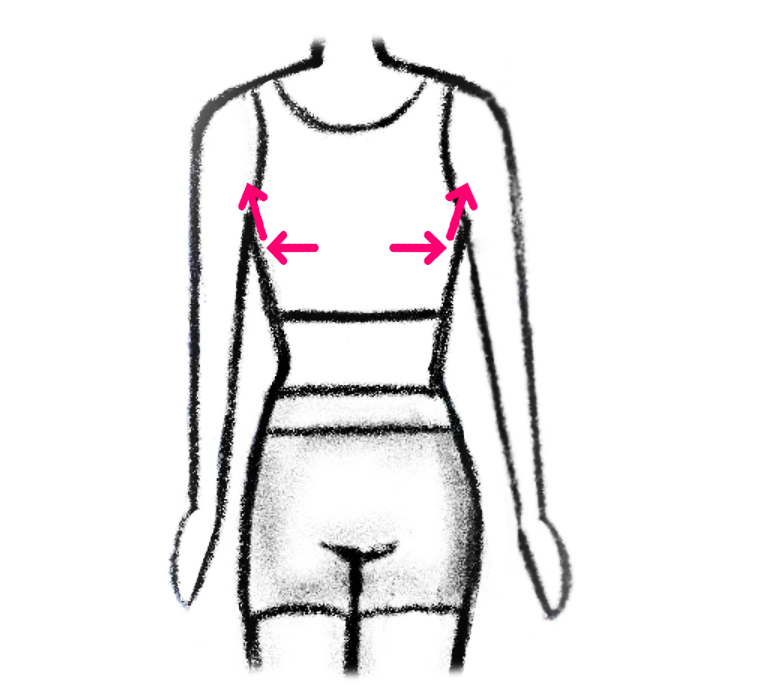
You may need to readjust the chest during the day for ongoing comfort and appearance.
How do I choose the right binder fit?
Choosing the right binder fit can sometimes feel overwhelming, but once you find the right model it can help create a smoother overall silhouette. Individual experiences vary. There are three common types of binders that many people like:
Short binders
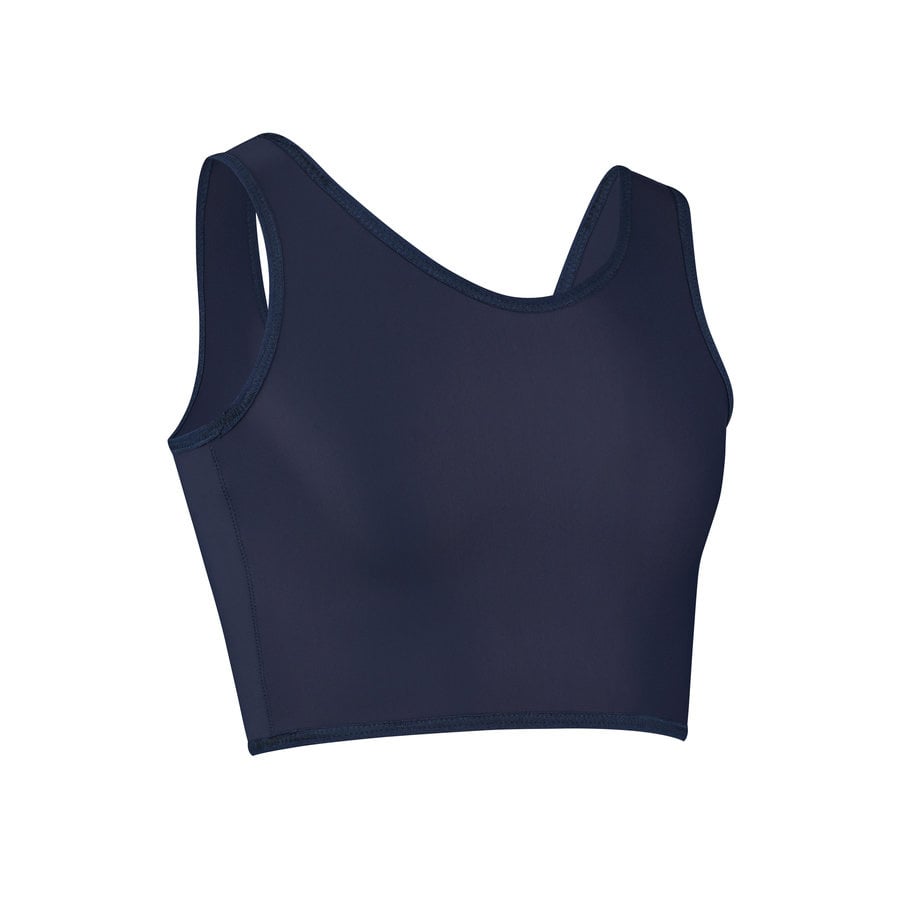
Short binders reach approximately to the midriff, providing compression to the bust. A short binder is a good choice for people who mainly want to focus on the chest area. A short binder can also be nice in the summer or during physical activity, as they tend to feel less warm. The short binders that UNTAG offers are:
- Short Binder
- Short Binder Extra Strong
- Gym Binder
- Tank Binder
- Basic Swim Binder
- Adjustable Binder
- Basic Binder Zipper
- Lace Binder
- Tank Swim Binder
- Athletic Binder
A disadvantage of a short binder is that, if the binder is very tight around the waist, it can create an hourglass shape under clothing. In this case, a long binder may be a better choice.
If you have broad shoulders we recommend our Tank Binder, as this allows more room for shoulder movement.
Long binders
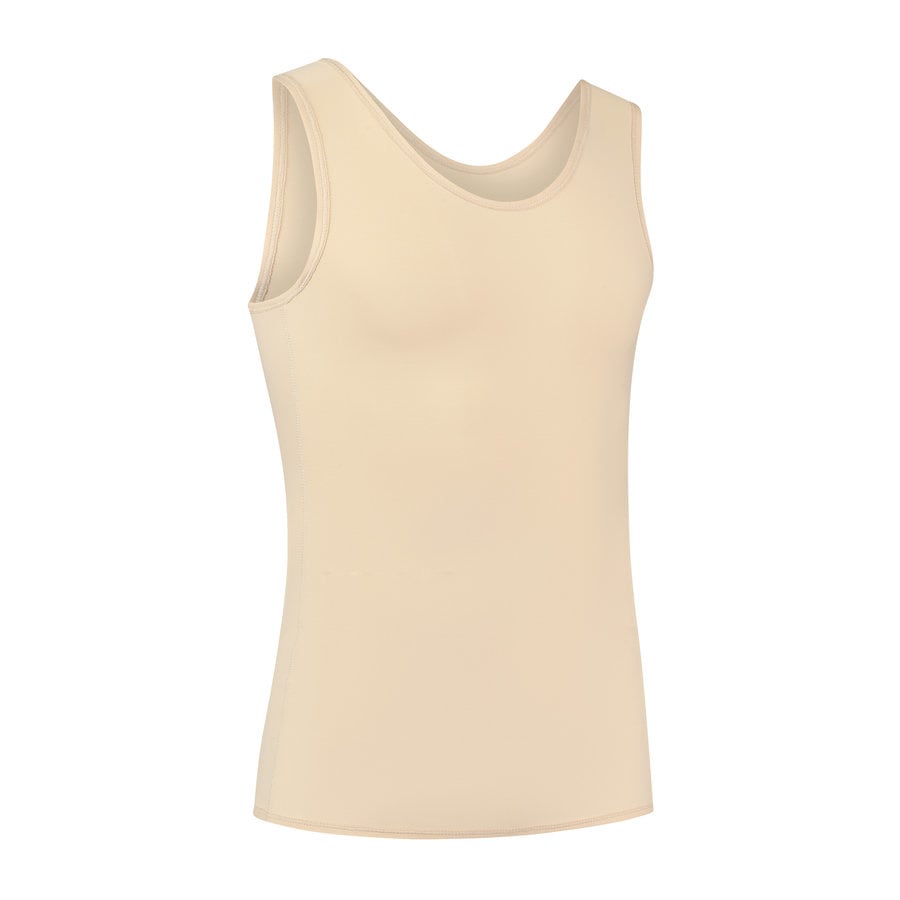
Long binders provide compression to the bust, stomach, and hips and extend below the hips. A long binder is a good choice for people who want coverage beyond the chest area. The long binders that UNTAG offers are:
A disadvantage of a long binder is that it can roll up for people with wider hips. In that case, we recommend choosing a shorter model, the Built-in Singlet Binder, or the Tank Shirt Binder which has anti slip tape at the hem. If you have broad shoulders we also recommend the Tank Shirt Binder, as the racerback design allows more freedom of movement.
Band binders
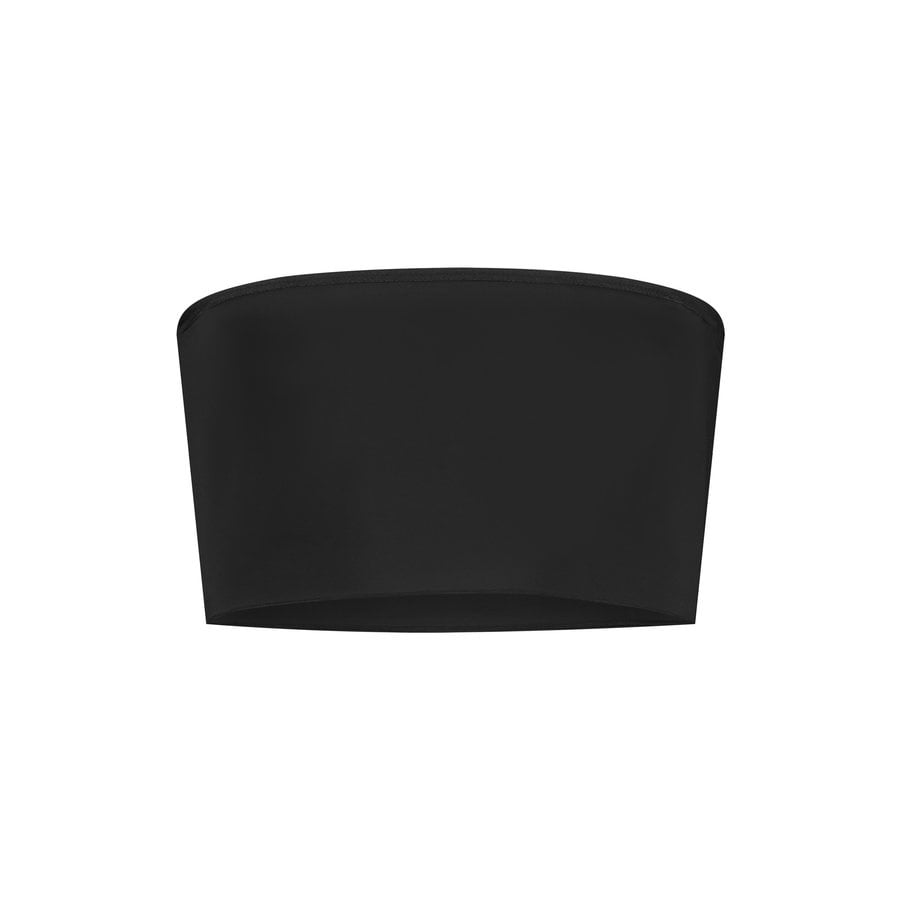
The third type of binder is the band binder. This is a binder without shoulder straps, which offers compression around the bust only. UNTAG offers the following band binders:
A disadvantage of a band binder is that it may shift during wear, meaning you may need to adjust it occasionally. All band binders come with optional detachable shoulder straps to help reduce this.
Which binder closure is best for me?
For everyday use, many people find binders without closures the most comfortable option. Binders with closures are often chosen by people who prefer easier on-and-off wear or additional adjustability.
There are two commonly used closure types: zipper and hook-and-eye. Binders with adjustable closures allow the fit to be loosened or tightened as needed.
A binder with a zipper can make it easier to put on and take off, which some people prefer for convenience.
How do I care for my binder?
Keeping your binder clean can help reduce skin irritation during wear. You can wash the binder by hand in lukewarm water or in the washing machine on a cold program. Wash in water no hotter than 30°C. Use a mild detergent and avoid overuse. Never put the binder in the dryer — heat can affect the elasticity of the fabric. Let the binder air dry.
Hopefully this overview has helped you feel more informed about binders, fit options, and general wear guidance. Individual experiences with binders vary, so always listen to your body and choose what feels most comfortable for you.