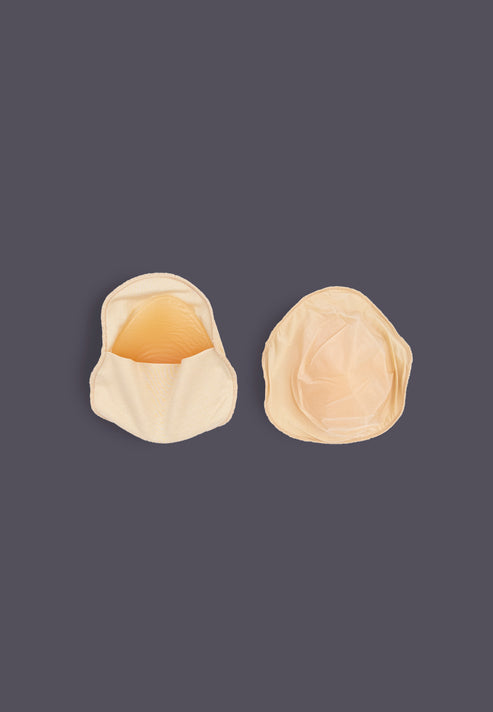


Last spring, UNTAG teamed up with the University of Pforzheim to teach a one-of-a-kind interdisciplinary course: Shaping Identities: Designing Gender-Expression Accessories. This collaboration was all about encouraging future designers to think beyond traditional norms, to consider the full spectrum of gender, and to prioritize sustainability in their creations. With students from diverse backgrounds, we delved into culture, history, and hands-on design to help each participant create wearable accessories that truly express gender identities.
(scroll down for images taken during the course)
Why “Shaping Identities” Matters
This course was an opportunity for us to share our expertise in gender-expression design with the next generation. At UNTAG, we know that design has the power to influence how people express themselves and wanted to pass along our passion for inclusive, thoughtful design. So, we set out to show students how to make accessories that celebrate diversity, challenge gender stereotypes, and honor cultural backgrounds—while being kind to the planet.
Exploring the Spectrum of Identity
We kicked off with a deep dive into gender diversity across different cultures. In our first few sessions, students explored historical and cultural stories from around the world, learning that many societies have long recognized identities outside the binary male-female spectrum. Here are a few examples:
-
In Indigenous North American cultures, for example, many tribes honor Two-Spirit people—individuals who embody both masculine and feminine qualities. Often holding unique social or spiritual roles, Two-Spirit people challenge the binary view of gender.
-
In South Asia, the Hijra community is a third-gender group with a long and respected history in countries like India, Pakistan, and Bangladesh. Although Hijras continue to advocate for broader social acceptance, they are widely recognized in many cultural spaces.
-
Then there’s fa’afafine in Samoan culture, a unique gender identity for people who embody both male and female roles. Fa’afafine are celebrated in Samoan society, emphasizing how gender diversity is embraced in communities worldwide.
These stories opened the students up to new perspectives, helping them understand that gender diversity has long existed across cultures. From these insights, they gained an appreciation for designing in ways that respect and celebrate cultural diversity.
From Ideas to Creations
After grounding the students in cultural context, it was time to get creative! The course was structured to take them from sketch to final prototype, with each project exploring ways to move beyond traditional design boundaries. They were encouraged to create bold designs, whether it was a scarf that celebrates cultural symbols or a piece of statement jewellery intended to question traditional gender norms.
Each design also needed to be sustainable. We focused on eco-friendly materials, teaching students that the future of fashion and accessories isn’t just in innovative design but also in making choices that are kind to the planet. This added a new layer of complexity and creativity as students considered materials, sourcing, and production impact.
Workshops on Cultural Sensitivity
An essential part of the course was exploring cultural sensitivity in design. With so much inspiration drawn from cultural symbols and identities, we wanted to ensure students understood the difference between respectful appreciation and appropriation. Through case studies, we looked at past examples where designers got it right—and where they didn’t. We explored how to honor cultural traditions responsibly, which gave students a more thoughtful, ethical approach to incorporating inspiration from other cultures.
From Prototyping to Final Presentation
The course ended with students bringing their sketches to life. Armed with tools and sustainable materials, they set out to create physical prototypes of their designs. Each design took on its own story—some pieces inspired by traditional crafts such as macrame or embroidery, others by new techniques such as AI generated patterns. The creativity was incredible, and each project became a unique exploration of gender identity, culture, and inclusivity.
The students then showcased their final creations in a presentation. From rethinking the chest binder to fashion-forward headwear, their designs offered fresh perspectives within gender-expression fashion.
A Future of Inclusive Design
This course was more than just an educational experience; it was a step toward encouraging more inclusive, sustainable, and thoughtful design. We hope that each student left with not only new skills but also a new way of thinking about design. At UNTAG, we’re committed to fostering spaces where diverse identities are acknowledged and respected.
This is just the beginning. As we continue exploring new ways to make the world more inclusive, keep an eye out for future collaborations and initiatives. Who knows? You might just see some of these incredible designs in the real world, expressing identities one accessory at a time.


